Choosing the Right Concrete Contractor: Key Qualities to Look For
Picking a concrete contractor demands thorough evaluation of a number of key qualities. Experience and specialization are vital factors in assessing a contractor's competence. Furthermore, see guide their credentials, reputation, and communication abilities can significantly influence the project's outcome. Recognizing cost frameworks and safety measures is equally important. As the project unfolds, the contractor's timeliness and reliability will further define the professional partnership. Which particular qualities should one emphasize to guarantee a productive partnership?
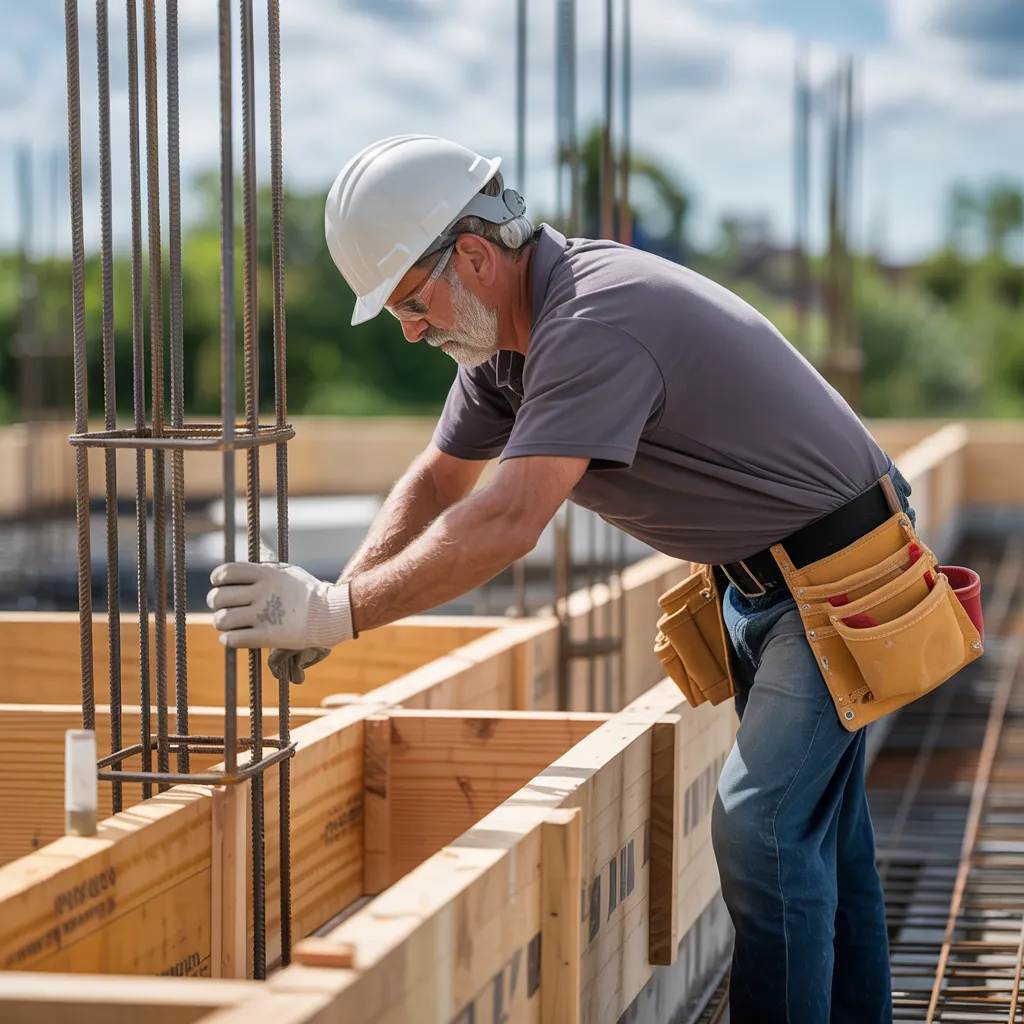
Critical Experience Factors in a Concrete Contractor
When choosing a concrete professional, what key experience factors should be considered? A contractor's years of operation in the field can demonstrate their capacity for expertise and trustworthiness. Those with a substantial history often possess the skills necessary to navigate common challenges effectively. Additionally, expertise in specific categories of concrete projects, like aesthetic coatings or foundational structures, can be essential depending on the project requirements.
Credentials and licenses further bolster a contractor's reputation, reflecting conformity with established industry norms. The caliber of previous work serves as a concrete indicator of competence; reviewing a portfolio helps gauge craftsmanship and attention to detail. Furthermore, the contractor's understanding of local codes and regulations secures conformity with legal standards, limiting prospective challenges during the construction phase. Collectively, these experiential elements offer a comprehensive insight into a contractor's capacity to complete quality projects punctually and within financial limits.
How to Measure a Contractor's Reputation and Reviews
Reputation serves as a crucial measure of a concrete contractor's dependability and craftsmanship. To thoroughly examine this reputation, potential clients should first consider examining online reviews on platforms such as Google, Yelp, and specialized construction websites. These reviews commonly capture previous customers' firsthand experiences and can uncover both advantages and shortcomings.
Furthermore, asking for referrals from trusted friends, family, or nearby professionals can provide valuable insights. Speaking directly with past clients can also reveal important information about the contractor's responsiveness, punctuality, and budget management.
In addition, reviewing the contractor's social media accounts may provide a window into their active work and client relationships. A credible contractor usually showcases finished projects and interacts constructively with their followers. Ultimately, thorough investigation of a contractor's track record and client reviews is vital in arriving at a sound judgment, securing superior results for concrete-related projects.
Do Your Contractors Possess the Necessary Certifications and Licenses?
When selecting a concrete contractor, checking their certifications and licenses is crucial. These credentials guarantee compliance with local regulations and industry standards. A contractor lacking necessary qualifications may pose risks to the project's integrity and safety.
Valid Certifications Required
What steps can homeowners take to ensure their concrete contractors are properly qualified? A key factor to consider is whether the contractor holds valid certifications. Established contractors frequently hold certifications from well-known industry bodies, indicating they have completed the necessary training and adhere to established standards. These certifications can include safety training, quality assurance, and specialized concrete techniques. Moreover, checking for proper licensing is equally important; a licensed contractor demonstrates compliance with local regulations and industry norms. Before engaging a contractor, homeowners ought to ask for documentation of both certifications and licenses to ensure professional competence. Such careful vetting not only establishes credibility but also minimizes risks tied to inferior work quality or safety breaches.
Local Regulatory Licensing Guidelines
Homeowners should also take into account regional licensing rules to ensure their concrete contractors fulfill all required legal obligations. Each state and municipality may have specific licensing criteria that contractors need to satisfy in order to legally conduct business. Verifying that a contractor possesses the appropriate licenses confirms compliance with local standards and regulations, which can affect the quality and safety of the completed work. Furthermore, licensed contractors are often required to carry liability insurance and workers' compensation, extending greater security to property owners. It is advisable for homeowners to request proof of licensing and to verify with municipal authorities or oversight organizations to authenticate the contractor's credentials. Such thoroughness can help avoid legal complications and support a more efficient building process.
The Value of Clear Communication Within Your Project
Effective communication is vital for the success of any construction project. It builds a base of confidence and ensures that all stakeholders are in agreement on project specifications, timelines, and expectations. A contractor who emphasizes transparent communication can effectively convey the project specifics, handling questions and sharing progress throughout the work. This transparency minimizes misunderstandings and fosters collaboration between the contractor and the client.
Additionally, strong communication facilitates timely solutions, which can be important when unforeseen obstacles emerge. When talking about material options, design modifications, or timing conflicts, a contractor who excels at communication will maintain project momentum and budget adherence. Clients should look for contractors who actively listen and respond promptly to inquiries. In the end, effective communication not only improves the overall project experience but also plays a key role in delivering a superior outcome that aligns with the client's goals and expectations.
Evaluating Contractor Pricing and Estimates
When assessing contractor pricing and estimates, it is important to examine not only the numbers but also the value behind them. A comprehensive analysis involves analyzing multiple quotes to uncover any inconsistencies in pricing and project scope. It is essential to guarantee that estimates are comprehensive, specifying labor, materials, and any additional costs. This transparency establishes credibility and supports well-informed decisions.
Customers ought to be wary of considerably underbid estimates, as they might signal inferior materials or poor craftsmanship. Additionally, professionals who submit detailed quotes frequently show expertise and thoroughness. Evaluating past projects and client testimonials can also provide valuable information about a contractor's reputation and reliability.
At the end of the day, picking a contractor means weighing cost against quality. A greater upfront cost can produce superior long-term outcomes, whereas the lowest-priced option could result in unexpected costs and subpar workmanship. Understanding these dynamics is essential for a successful concrete project.
Essential Safety Protocols Concrete Contractors Must Follow
Several critical safety measures must be carefully followed by concrete contractors to maintain a safe operational setting. Above all else, personal protective equipment (PPE) is imperative; hard hats, gloves, and steel-toed boots should be consistently utilized on the job site. Furthermore, contractors must conduct thorough risk assessments before initiating any work to identify potential hazards. Proper training on equipment usage is critical, as improper handling can lead to accidents.
In addition, fostering transparent communication between team members reduces the risk of miscommunication that could lead to accidents. It is also essential for contractors to ensure that work zones are adequately illuminated and clear of clutter to minimize tripping risks. Periodic evaluations of tools and machinery are essential to ensure they remain in safe operating condition. Above all, following local regulations and safety protocols is imperative, as it ensures the well-being of both workers and the general public. Following these protocols not only enhances safety but also fosters a culture of responsibility within the team.
Measuring Reliability and Promptness of Concrete Services
Examining the punctuality and dependability of concrete services is crucial for all construction undertakings. Critical elements involve a contractor's dedication to meeting deadlines, their punctuality in scheduling, and the reliability of their service execution. By assessing these factors, clients can more confidently secure their construction project's outcome and minimize potential delays.
Project Schedule Dedication
How can someone ensure that a concrete contractor will adhere to project timelines? Assessing a contractor's respect for timelines requires examining their past performance and client reviews. A reliable contractor will deliver a detailed timeline, detailing important benchmarks and finish dates. Additionally, effective communication plays a vital role; contractors should be willing to address possible setbacks and the strategies they employ to prevent issues. Licensing and insurance also reflect professionalism, indicating that the contractor is invested in their reputation. Beyond that, establishing a written contract that specifies deadlines can improve transparency. By evaluating these elements, clients can assess a contractor's commitment to honoring schedules and ultimately guarantee a smoother construction process.
Punctuality in Scheduling
Punctuality in scheduling serves as a critical indicator of a concrete contractor's dependability and professional standards. When a contractor adheres to agreed-upon timelines, it reflects their commitment to the project and respect for the client's time. On-time scheduling minimizes disruptions that might affect the overall project flow, ensuring that other trades are not held up. A contractor who consistently arrives on schedule demonstrates effective planning and coordination abilities, which are essential for successful project management. Homeowners should research a contractor's reputation for schedule adherence, as this quality can greatly impact the project's success. At its core, dependable scheduling cultivates confidence and reliability, establishing the foundation for a productive partnership between the contractor and the client.
Consistency in Delivery
Reliable delivery is essential for evaluating the timeliness and reliability of concrete services. A contractor's ability to meet deadlines on a regular basis demonstrates their reliability and commitment to excellence. Customers are advised to review previous projects and client feedback to determine how reliably the contractor follows agreed-upon schedules. Consistent delivery not only reflects a contractor's organizational skills but also their skill in handling resources with precision. Postponements may result in higher expenses and interruptions to project timelines, making it important for clients to select a contractor recognized for reliable performance. At its core, a contractor's proven consistency establishes credibility and ensures that projects are finished efficiently, fulfilling all requirements and timelines.
Commonly Asked Questions
What Categories of Concrete Services Do Contractors Commonly Offer?
Concrete contractors commonly provide numerous services, which include pouring, completing, and restoring slabs, driveways, sidewalks, and foundations, along with decorative choices such as stamped or stained concrete. They often also offer concrete maintenance and sealing solutions.
How Do I Confirm a Contractor's Insurance Coverage?
To confirm a contractor's coverage, you should ask for insurance verification documents directly, confirming they contain workers' compensation and liability. In addition, contacting the insurance provider can confirm the validity and extent of the coverage.
What Takes Place if the Project Goes Beyond the Budget?
Should the project exceed its budget, the contractor generally outlines the causes of the cost overrun. This may lead to discussions to renegotiate the agreement, requests for extra financial resources, or potential disputes, subject to the contractual provisions set forth beforehand.
Is It Possible to View Examples of the Contractor's Past Work?
Indeed, examining examples of a contractor's previous work is highly important. Clients can evaluate the style and quality of the contractor's projects, confirming that the contractor's skills match the expectations and vision of the client.
How Do Contractors Manage Unexpected Weather Conditions During Projects?
Contractors typically monitor weather forecasts closely, adapting their schedules and approaches as necessary. They may use protective coverings, postpone work, or modify materials to maintain project quality and safety amid unexpected weather conditions.